
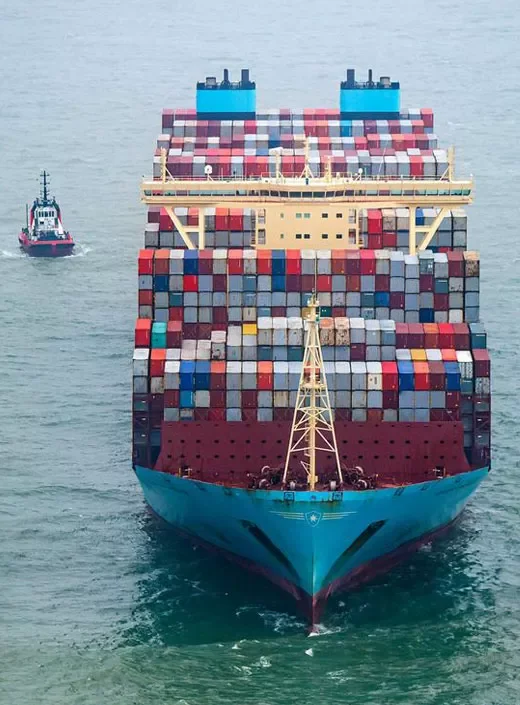
Dangerous Goods (DG) require special treatment. International transportation differs significantly from ordinary cargo. What are dangerous goods, and what should businesses consider when shipping them?
What are dangerous goods?
Dangerous goods contain substances or articles that can present risks to people, the environment, or security. The source refers to the IMDG Code and lists nine broad classes:
- Explosive substances and articles
- Gases
- Flammable liquids
- Flammable solids, substances liable to spontaneous combustion, and substances dangerous when wet
- Oxidizing substances
- Toxic and infectious substances
- Radioactive material
- Corrosive substances
- Miscellaneous dangerous substances and articles, with magnets and computers given as examples in the source
Five important considerations
Dangerous goods transport requires careful compliance with the requirements applicable to the goods and transport mode. The source highlights five areas:
Hazard labels and suitable packaging
The article cites Clause 2, Article 5 of Circular No. 52/2013/TT-BTNMT for labeling. Alongside product, composition, and manufacturer details, the package needs the applicable hazard markings so handlers can recognize the risks and take precautions.
Packaging must meet the relevant safety requirements, including:
- Resistance to corrosion and leakage appropriate to the contents.
- Materials compatible with the goods inside.
Use appropriate packaging, product information, and hazard labels. After use, collect and treat contaminated packaging according to the applicable rules to prevent hazardous releases into the environment.
Transport permits for regulated dangerous goods
The source describes permits from the responsible ministries, depending on the goods:
- Ministry of Public Security: explosives, gases, flammable liquids and solids, and other specified dangerous goods.
- Ministry of Science and Technology: oxidizing substances and organic peroxides, as described in the source.
- Ministry of Health: specified medical toxic substances and household disinfectant or insecticidal products.
- Ministry of Industry and Trade: specified hazardous gases and flammable liquids.
- Ministry of Agriculture and Rural Development: plant protection chemicals.
- The source names the defense and security ministers in relation to weapons permits; the authority names and scope require review.
Appropriate transport and handling equipment
Loading, unloading, carriage, and stowage require equipment suitable for the dangerous goods concerned, with the applicable hazard markings.
Before equipment is reassigned to other goods, it must be cleaned as required and obsolete hazard markings removed. Check a proposed provider's facilities and equipment carefully.
Specialized handling procedures
Dangerous goods require procedures appropriate to each cargo category, in addition to suitable equipment. Personnel must have the relevant knowledge and training.
An eligible carrier
Carriers must meet the applicable legal and modal requirements. The source gives the following examples for international movements from Vietnam:
Air transportation
An air transport operating license.
The relevant authorization from the Civil Aviation Authority of Vietnam for carrying dangerous goods by air.
Read more: Nguyen Logistics air freight services
Sea transportation
The source cites Article 10 of Decree No. 29/2005/ND-CP for carrier conditions.
Transport equipment must have technical safety and environmental certification appropriate to the dangerous goods carried.
Equipment must be cleaned before switching to other cargo.
Read more: Nguyen Logistics ocean freight services
This overview introduces the considerations discussed for dangerous goods. Requirements vary by classification and transport mode. Contact Nguyen Logistics to discuss suitable handling and transport for your shipment.